Diaspora Plate
My Mother's Suitcase Smelled Like Cumin
She left Karachi with two suitcases. One held clothes. The other held the kitchen — and I've spent my adult life unpacking it.
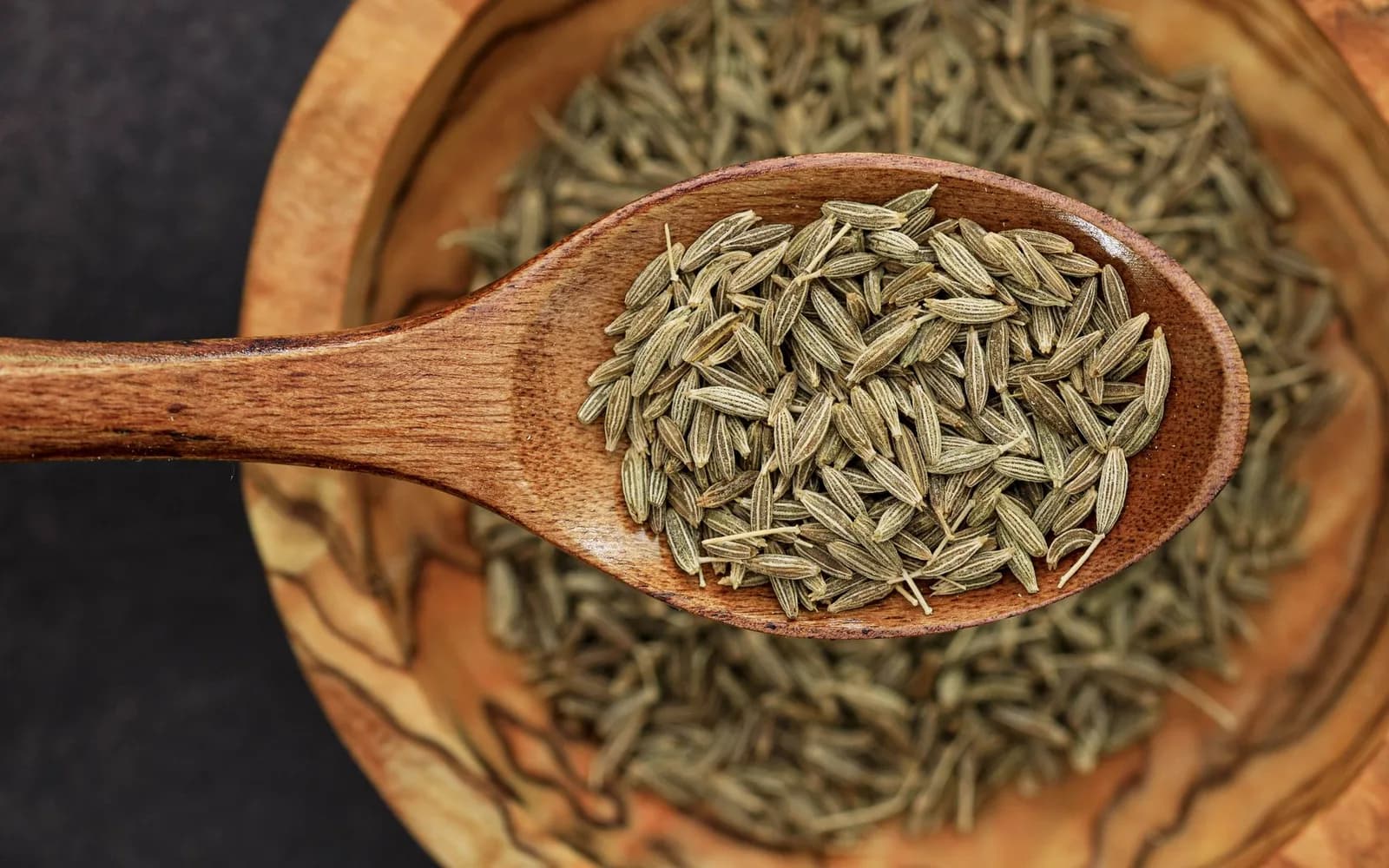
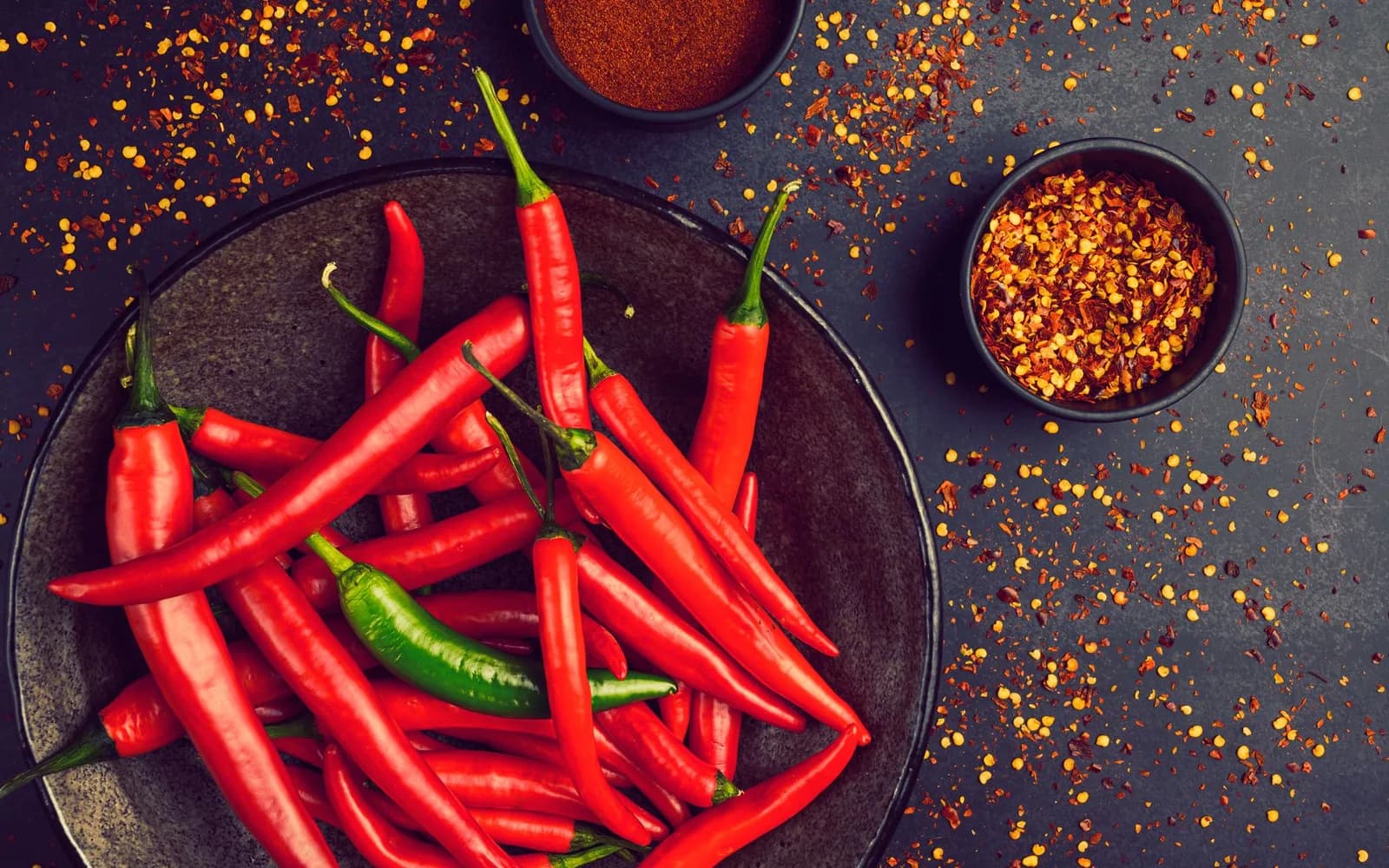
My mother left Karachi in 1988 with two suitcases and a layover she still describes like a war story. The first suitcase held clothes for a country she'd never seen. The second one — the heavy one, the one she argued about at the check-in desk — held the kitchen. A masala dabba wrapped in three shalwars. A sil batta stone she absolutely did not need. Red chili powder in a tin marked BISCUITS, which caused exactly the customs conversation you'd imagine.
For years I found this embarrassing, in the way children of immigrants are professionally embarrassed. Everything she needed was at the shop down the road. Cumin is cumin. Why smuggle a stone across a border when the supermarket sells ground everything?
It took me thirty years and one international move of my own to understand that she hadn't packed ingredients. She'd packed calibration. The dabba's seven spices in their exact worn positions — turmeric at three o'clock, always. The stone that ground ginger-garlic to precisely her paste, not a machine's. She wasn't carrying cumin; she was carrying what cumin was supposed to smell like the second before you add the onions. The suitcase was a backup of her mother's kitchen, taken the only way she could take it.
You can buy cumin anywhere on Earth. You cannot buy knowing what it should smell like at the exact right moment.
Her dal is the thing I chase now. Plain, everyday, seven-o'clock dal — masoor, thin enough to pour, the tarka hitting the top at the table with that hiss that meant we could stop pretending we weren't hungry. Mine has never been right. For years I blamed the lentils, the pot, the water in this country, the general vibe.
Then last summer I watched her actually make it, properly watched, with the humility I'd been avoiding. And there it was: she blooms the cumin twice. A pinch at the start with the turmeric, and the rest in the tarka. Nobody taught me that because nobody knew they were doing it. “That's not a technique,” she said, when I called it one. “That's just how my mother's kitchen smelled.”
The dabba will come to me someday, turmeric at three o'clock, and I intend to be ready for it. Not just to own it. To have already learned what it knows.
More from the journal
Stories like this one, weekly.
Plus one question to ask your family before the knowledge fades.